
Rotary Meeting
03 Aug
12:15 PM
Until
03 Aug, 01:30 PM
1h 15m
MEETING - Sara Cerv and Grant Erhard, Ruffed Grouse Society & American Woodcock Society
Hilton Garden Inn - Charleston Airport
5265 International Blvd, North Charleston, SC 29418

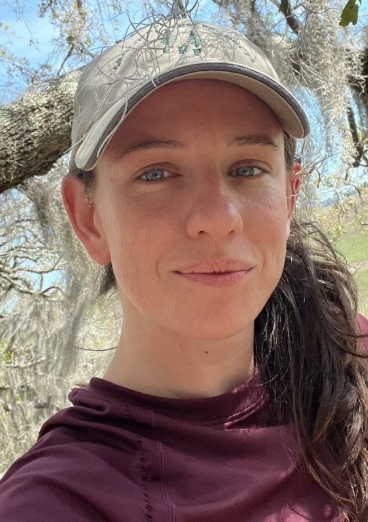
Sara Cerv is a Forest Conservation Director at the Ruffed Grouse Society and American Woodcock Society, leading conservation efforts in the South Atlantic Coastal Plain and Piedmont Region.
Formerly, she was the GIS Manager at GFR Forestry Consultants, PLLC, where she implemented innovative technological solutions to improve business operations.
Sara currently lives in Raleigh, NC where she spends her free time exploring the outdoors with her dog Olive or listening to live music at one of Raleigh’s many vibrant venues.
She is originally from Christiansburg, Virginia where she attended Virginia Tech and received a Master of Forestry.
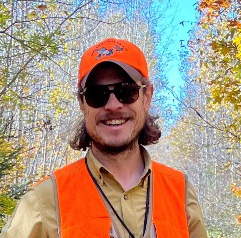
Based in Huntington West Virginia, Grant Erhard works as the Southeast Regional Engagement Coordinator for the Ruffed Grouse Society and American Woodcock Society. Erhard was born and raised in St. Louis Missouri, and earned his degree in Business Administration from Fontbonne University. He has had many passions and hobbies, including semi-professional cycling, fishing, and hunting. In 2019, Erhard moved to Eastern Kentucky and has worked in conservation since then. Professional interests and expertise include logistics, sales, recruitment, and event planning. Erhard grew up hunting and fishing with his dad and three brothers, and he attributes his passion for conservation to these treasured times.
RGS & AWS began in 1961 in Monterey, VA. Now headquartered in Pittsburgh, PA, our organization employs a team of forest wildlife conservation professionals to work with private landowners, and government, including local, state and federal, land managers who are interested in improving their land for Ruffed Grouse, American Woodcock and the other songbirds and wildlife that have similar requirements.
RGS works with landowners and government agencies to develop critical habitat utilizing scientific management practices. We do this with individualized attention with specific programs to help landowners and by working with local state and federal governments to develop land management assistance programs.